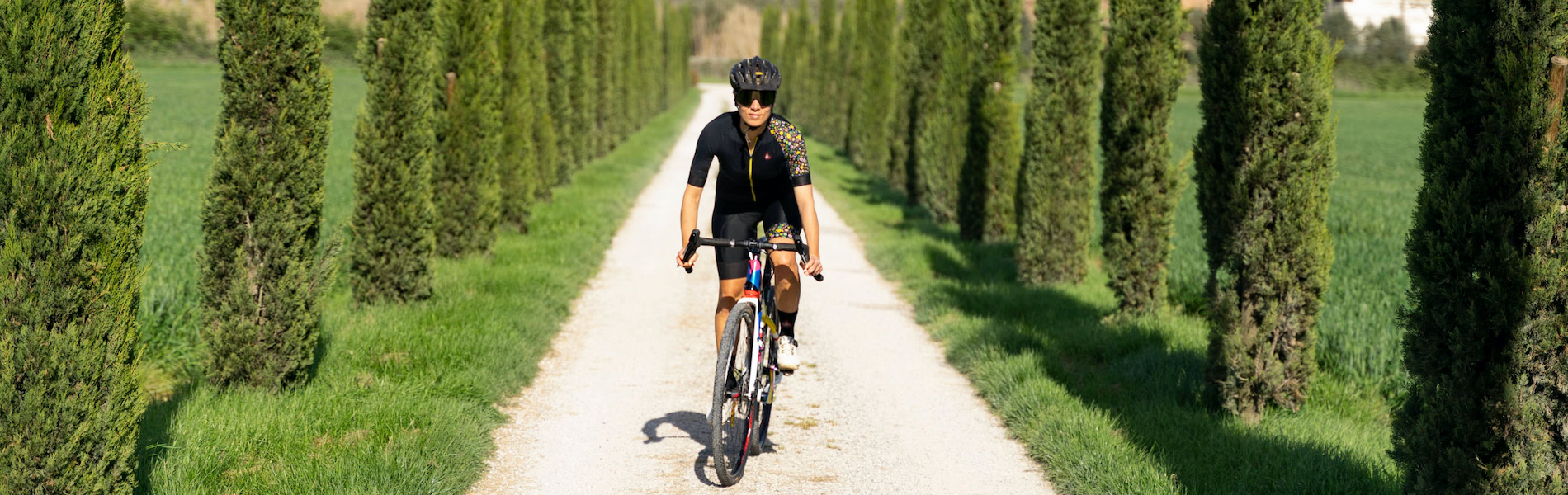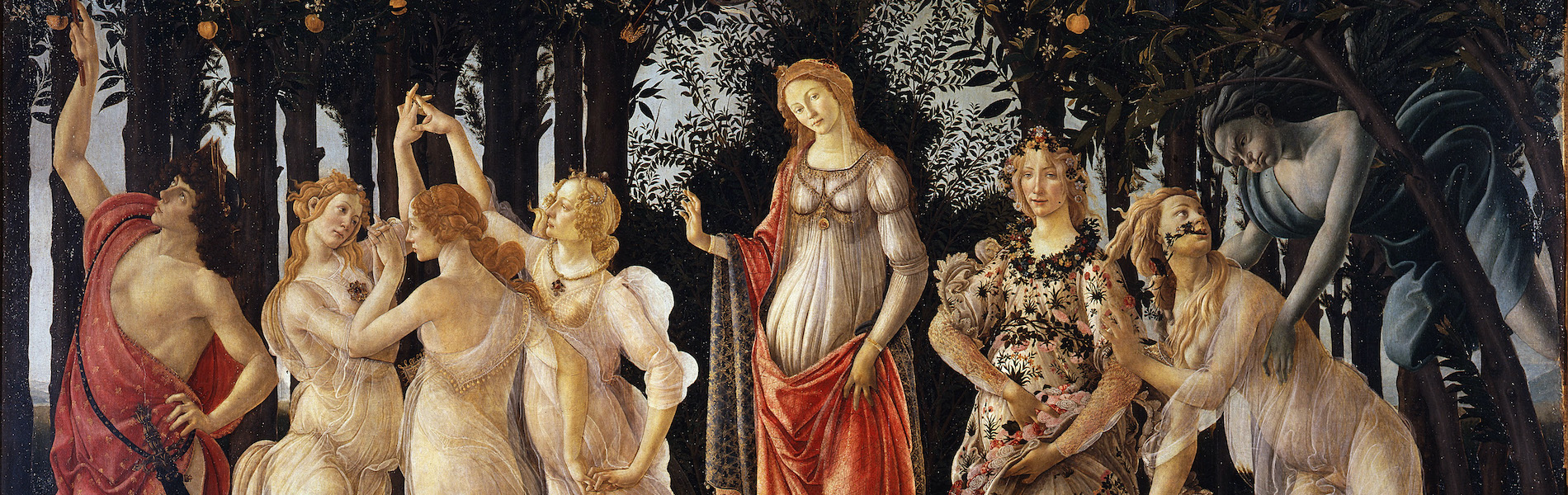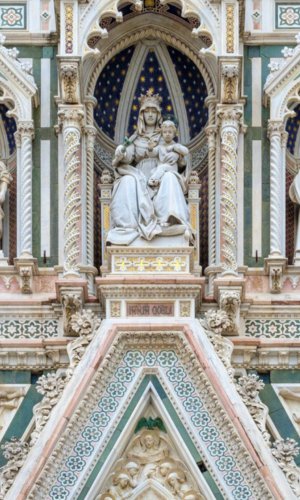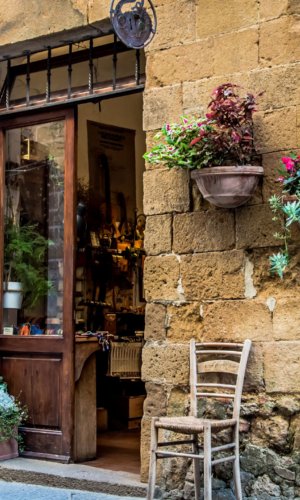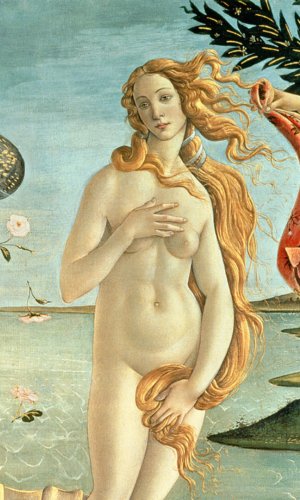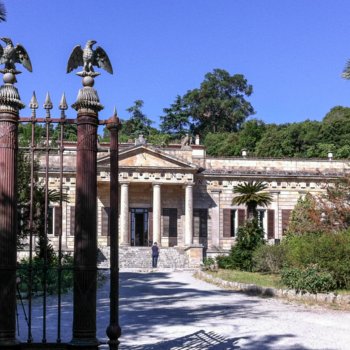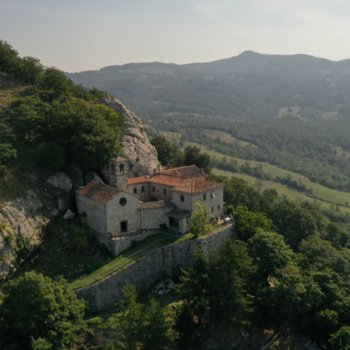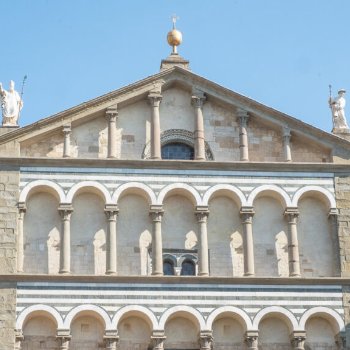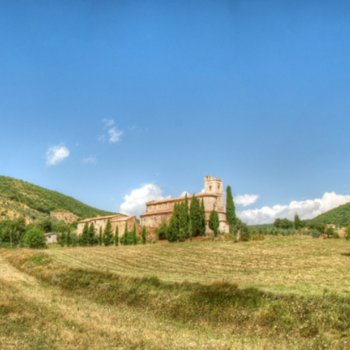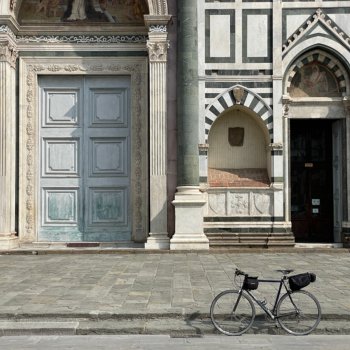
Did you know that Tuscany has 6 (six!!!) World Heritage Sites? It’s not easy to be listed by Unesco because “sites must be of outstanding universal value” and “the protection, management, authenticity and integrity of properties are also important considerations.” – says their criteria page. If you are planning to visit Tuscany, it could be a good idea to include these sites in your itinerary. Here we go:

Historic Centre of Florence (1982)

Florence

Selection criteria:
i. to represent a masterpiece of human creative genius;
ii. to exhibit an important interchange of human values, over a span of time or within a cultural area of the world, on developments in architecture or technology, monumental arts, town-planning or landscape design;
iii.to bear a unique or at least exceptional testimony to a cultural tradition or to a civilization which is living or which has disappeared;
iv. to be an outstanding example of a type of building, architectural or technological ensemble or landscape which illustrates (a) significant stage(s) in human history;
vi. to be directly or tangibly associated with events or living traditions, with ideas, or with beliefs, with artistic and literary works of outstanding universal significance. (The Committee considers that this criterion should preferably be used in conjunction with other criteria);

More info at Unesco’s website.

Read other articles about Florence:

Historic Centre of San Gimignano (1990)

San Gimignano

Selection criteria:
i. to represent a masterpiece of human creative genius;
iii.to bear a unique or at least exceptional testimony to a cultural tradition or to a civilization which is living or which has disappeared;
iv. to be an outstanding example of a type of building, architectural or technological ensemble or landscape which illustrates (a) significant stage(s) in human history;

More info at Unesco’s website.

Read other articles abour San Gimignano:

Historic Centre of Siena (1995)

Siena

Selection criteria:
i. to represent a masterpiece of human creative genius;
ii. to exhibit an important interchange of human values, over a span of time or within a cultural area of the world, on developments in architecture or technology, monumental arts, town-planning or landscape design;
iv. to be an outstanding example of a type of building, architectural or technological ensemble or landscape which illustrates (a) significant stage(s) in human history;

More info at Unesco’s website

Read other articles about Siena:

Historic Centre of Pienza (1996)

Pienza

Selection criteria:
i. to represent a masterpiece of human creative genius;
ii. to exhibit an important interchange of human values, over a span of time or within a cultural area of the world, on developments in architecture or technology, monumental arts, town-planning or landscape design;
iv. to be an outstanding example of a type of building, architectural or technological ensemble or landscape which illustrates (a) significant stage(s) in human history;

More info at Unesco’s website

Read other articles about Pienza:

Piazza del Duomo, Pisa (1987)

Pisa

Selection criteria:
i. to represent a masterpiece of human creative genius;
ii. to exhibit an important interchange of human values, over a span of time or within a cultural area of the world, on developments in architecture or technology, monumental arts, town-planning or landscape design;
iv. to be an outstanding example of a type of building, architectural or technological ensemble or landscape which illustrates (a) significant stage(s) in human history;
vi. to be directly or tangibly associated with events or living traditions, with ideas, or with beliefs, with artistic and literary works of outstanding universal significance. (The Committee considers that this criterion should preferably be used in conjunction with other criteria);

More info at Unesco’s website

Read other articles about Pisa:

Val d’Orcia (2004)

Val d'Orcia

Selection criteria:
iv. to be an outstanding example of a type of building, architectural or technological ensemble or landscape which illustrates (a) significant stage(s) in human history;
vi. to be directly or tangibly associated with events or living traditions, with ideas, or with beliefs, with artistic and literary works of outstanding universal significance. (The Committee considers that this criterion should preferably be used in conjunction with other criteria);

More info at Unesco’s website

Read other articles about Val d’Orcia: