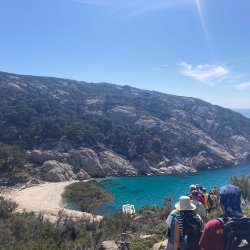
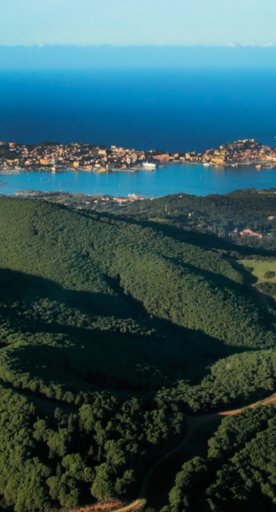
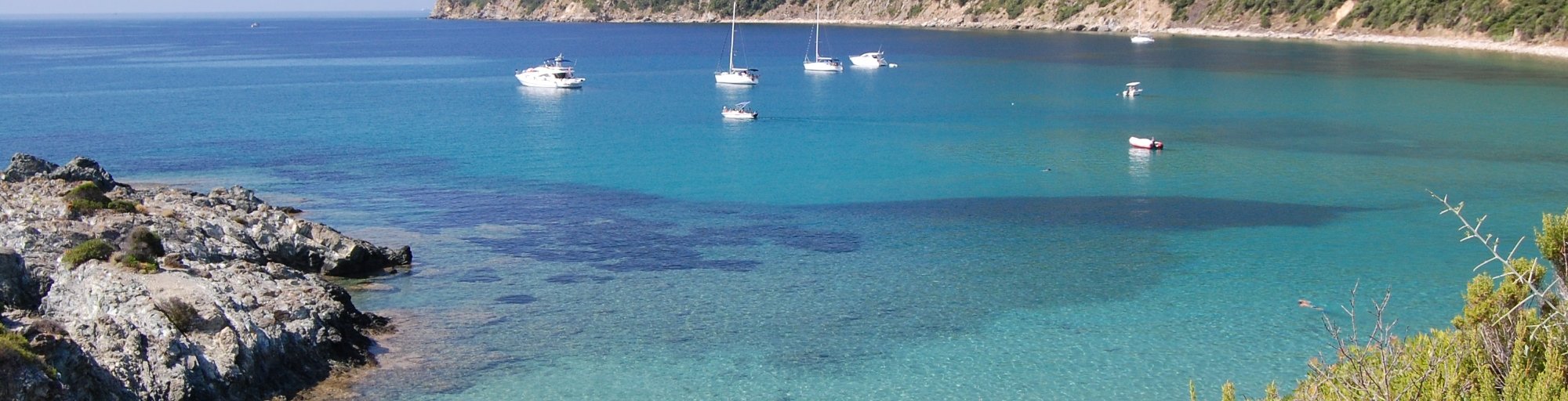
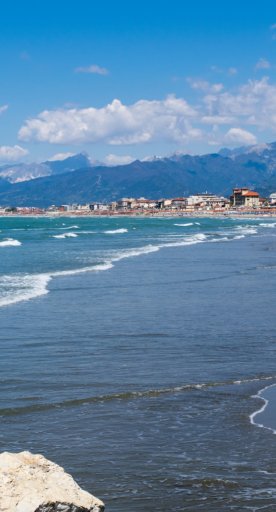
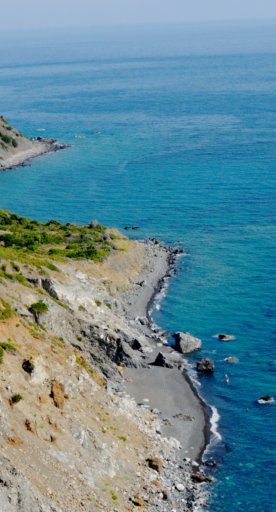
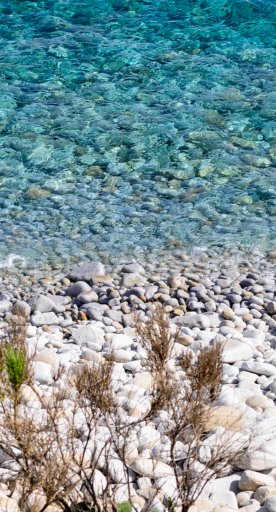
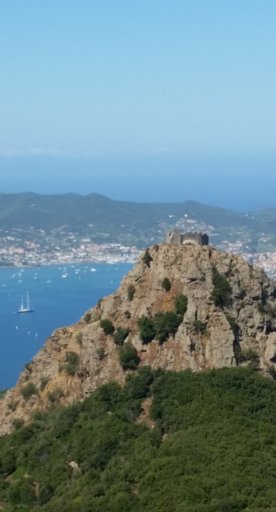
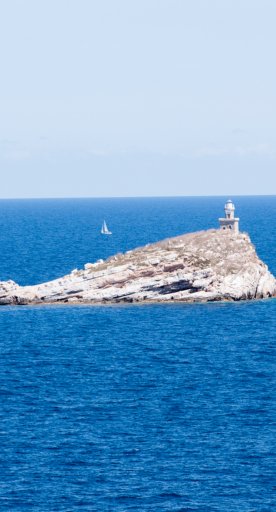
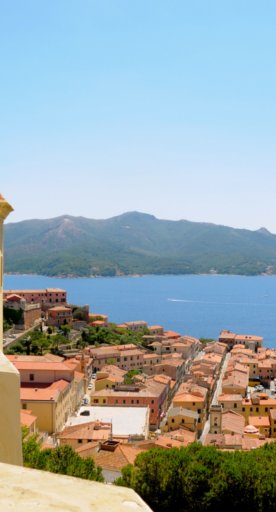
If you’re a history and art buff, Elba is not for you. But if you love crystalline beaches and stunning landscapes, and also want to vary your lazy beach days with a few mining museums or historic homes, Elba is perfect. It is truly one of the most beautiful places I have ever been – it’s like the Caribbean but with better food, more history, and it’s right here in Tuscany. Here’s a little history and an itinerary of things to see placed on a handy google map.
History of Elba
When I went last year I did some pre-trip research about the island’s history and what to see (I wrote it up in a post-trip article “relaxing in Elba“). Here’s what I dug up on the early history of the island:
Basically, the island is very rich in iron deposits, and was used as a mine from Etruscan times onward. The principal port city is in fact called Portoferraio, in which is buried the word ferro, or iron. A Ligurian population lived on the island during the iron age (lucky for them, their island had the most fashionable metal…), then the Etruscans, then the Romans who liked going there for vacations in splendid villas. It passed through various hands during the Medieval and Renaissance periods. Interestingly, the Medici changed the mining system from tunnel to open air. Since the second world war, the island’s economy has moved increasingly towards dependence on tourism.
Elba may be best known for the fact that Napoleon was in exile there from May 3 1814 to February 26 1815. This had an impact on the constructed landscape of Portoferraio, which already was dominated by its Cinquecento fortifications – including a Medicean bastion upon which you can walk, built by Bernardo Buontalenti in 1558 – and late 18th-century structures ordered by Grand Duke Pietro Leopoldo.
Napoleon stuff
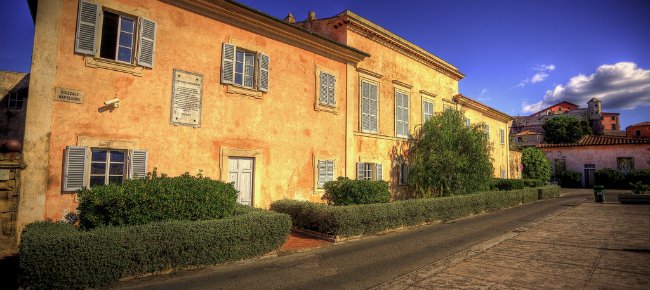
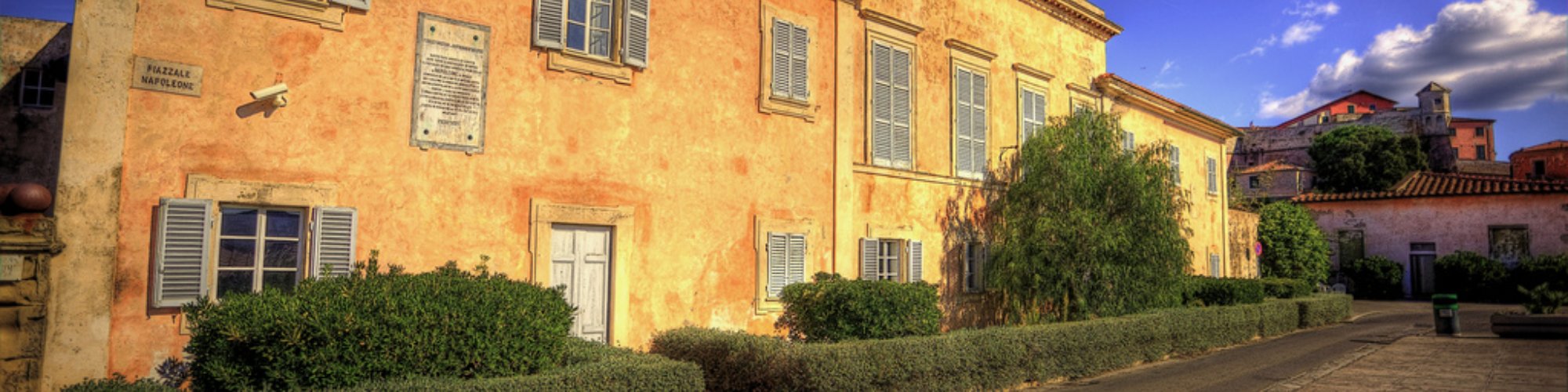
Portoferraio: Villa dei Mulini di Napoleone – This was the emperor’s public residence and certainly the most important Napoleonic site in Elba.
Following the defeat of the French army in Leipzig and the subsequent Treaty of Fontainebleau, Napoleon, now in enemy hands, was forced to abdicate April 4, 1814. The former emperor arrived at Portoferraio on the evening of May 3, 1814 aboard the English frigate Undaunted. He devoted himself at once to establish an efficient organization on the island, based on the same formulas and techniques bureaucratic empire.
During the intense months spent on the island, Napoleon revived the trade and mining activities, and also caused a miners rebellion at Capolivieri when he tried to raise taxes! He improved the roads and promoted agriculture and fisheries, as well as military defense on the island.
The villa dei Mulini was purchased and adapted for use by Napoleon by architect Paolo Bargigli, who demolished some windmills in order to make a lovely Italian garden, and built the always-essential ballroom on the ground floor. A few months later, Napoleon, who had personally followed not only the architectural design but also the choice of decorations and furnishings, settled in the small palace, completely decorated by Vincenzo Antonio Revelli, the court painter of Elba.
Napoleon also concentrated on building up a good library of 2378 volumes, many of which he chose personally from libraries in the castle of Fontainebleau before leaving France. Other books were purchased in Livorno and in other Italian cities, or sent as gifts. They consisted of Greek and Roman history and classics, theatre (the comedies of Moliere and Regnard Dancourt), the complete works of Voltaire.
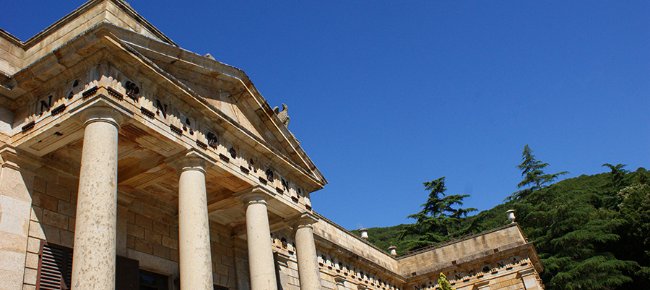
Villa di San Martino – The emperor’s more private residence is in the greener area outside of Portoferraio and near San Martino. Like most rich people of the past, he had to have a summer home to pass the warm months in the shade. He went less wild on the decorations of this villa, choosing to decorate only a few symbolic rooms.
Legend has it that near this villa there’s an island in the Gulf of Procchio called Isolotto della Paolina, where Napoleon’s sister Paolina used to bathe nude.
The Museum of the Church of the Misericordia houses Napoleon’s death mask (creepy!)
Fortresses and ruins
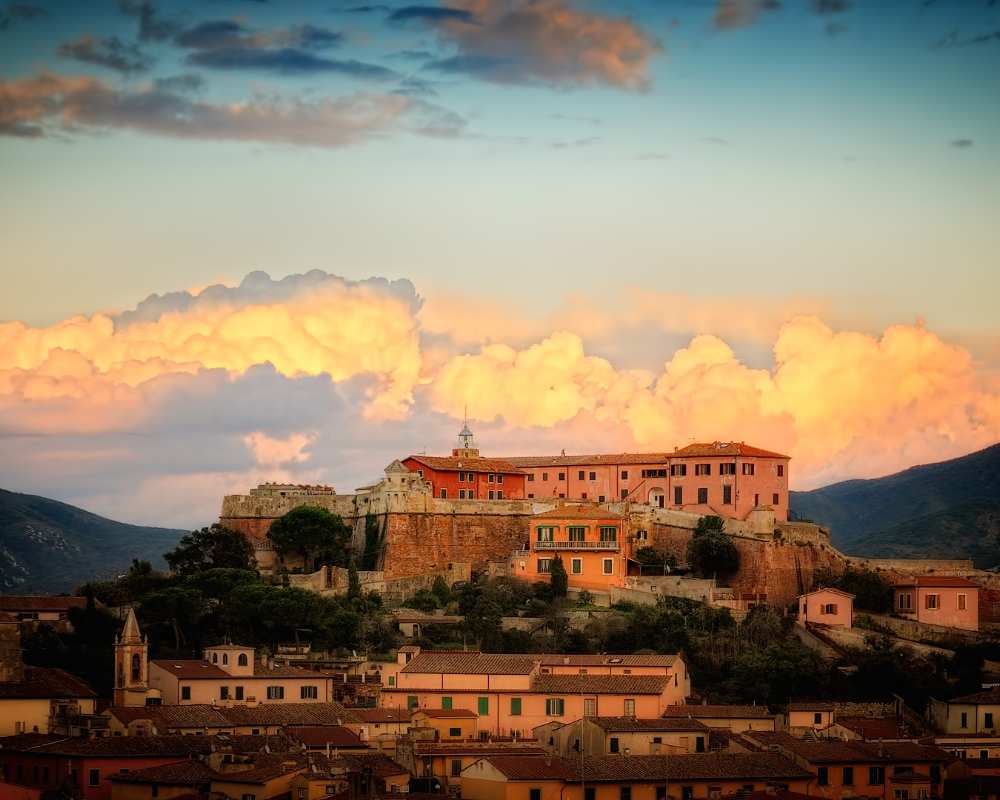
There is a Medici Fortress at Portoferraio. The walls enclose the historical center of Portoferraio and back in the day guaranteed the safety of navigants in the Tyrrhenian Sea. The main strongholds in the fortification system are the Stella and Falcone forts (built on higher grounds and dominating the town) and the octagonal Tower della Linguella, at the entrance of the harbor.
Roman Ruins: There are two important ruins on Elba: Villa Romana alle Grotte and Villa Romana di Capo Castello. Both date to the first century BC. Villa alle Grotte developed on various levels going down to the sea. It had a dock and extensive baths; now the structure, some mosaics, and walls are visible.
Mines and fish
Museo dei Minerali e dell’ Arte Mineraria – The Mineral museum and park might appeal to anyone passionate about rocks (not me, but my dad would love it). Other than examples of interesting minerals themselves, there are old photos, tools, and dioramas representing the mining activity on Elba over time.
As for fish, the kind you can see, not eat, children will like the Acquarium of Elba – especially on a rainy day.
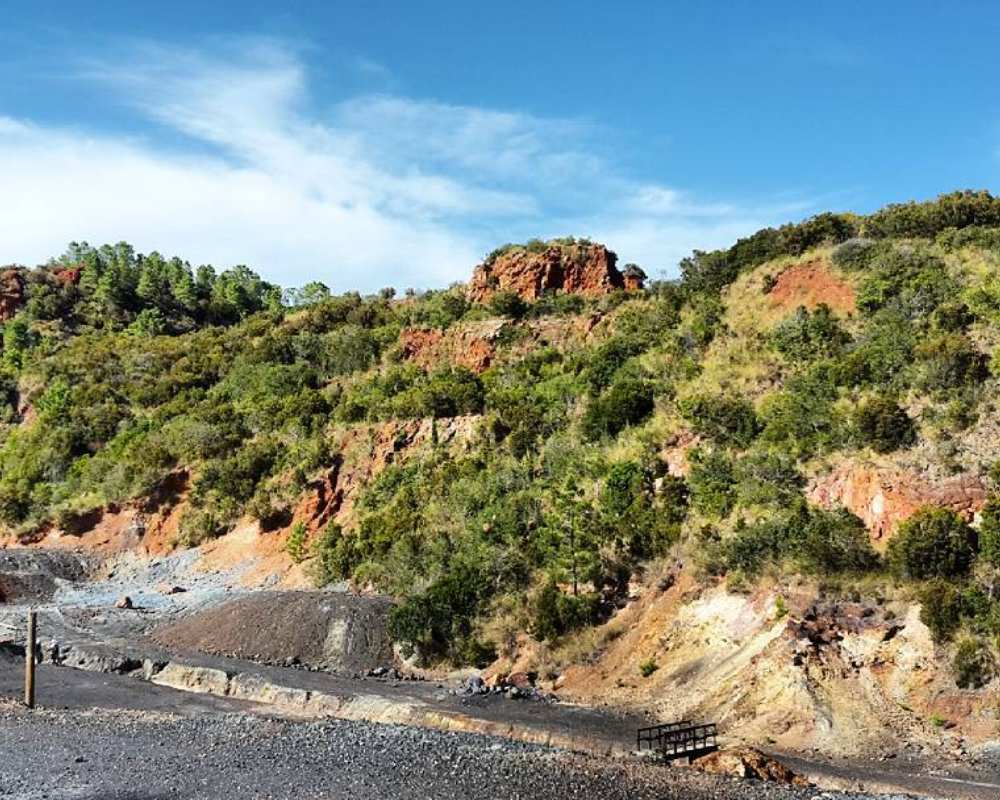
Mines: there are mines at Rio Marina, Calamita, and Ginevro – variously visible and visitable.
Map and photos of things to see in Elba
Here’s the google map – feel free to add to it – it’s by no means complete!
View What to do in Elba in a larger map
And here’s a gallery on Flickr that includes many of the places mentioned here.
PS – are you wondering How to get to Elba? Read this post from my colleague Barbara of AroundTuscany for detailed instructions and advice on taking the ferry! Read also about Elba Nightlife here (not my area of expertise!).


[...] what to see in Elba (other than the beach) [...]
[...] In collaboration with TuscanyArts [...]
[...] new things would be too boring, right?). My colleague TuscanyArts wrote a great article about the History of Elba, Napoleon stuff, fortresses and ruins, mines and fish (with a [...]