Arista: Tuscan-style roast pork
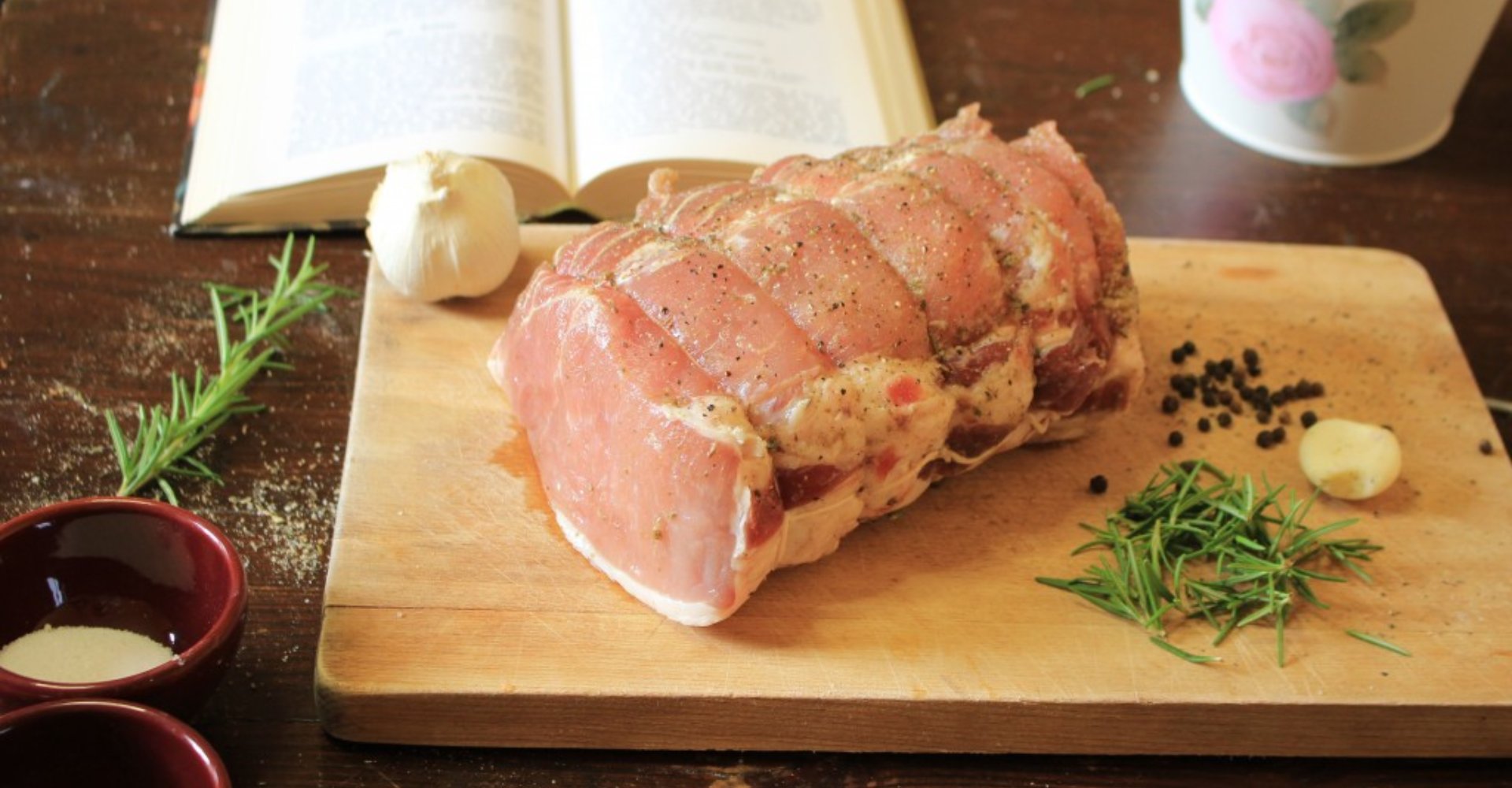
According to Pellegrino Artusi, the history of Arista coincides with the story of the Byzantine Patriarch Bessarion and his arrival in Florence in 1430 for the ecumenical council.
While tasting an excellent pork roast he said “Aristos!”, the greek word to express "best, excellent". The others sitting around the table thought that he was simply calling the roast pork by its greek name. This is how they started calling pork roast arista. Now, this little story is interesting, unfortunately it can't be true since a century before Bessarion's arrival in Tuscany people were already talking about arista.
Thus, we are left with two possible hypotheses: a) Arista is a greek word and in the 13th century there were greeks living in Florence (they were perfume merchants) and their presence is also testified by the neighborhood and street called "Borgo dei Greci". b) Arista comes from the latin arista that also means upper part, like the pork shank? Why not leave your opinion on this tasty and ancient query?
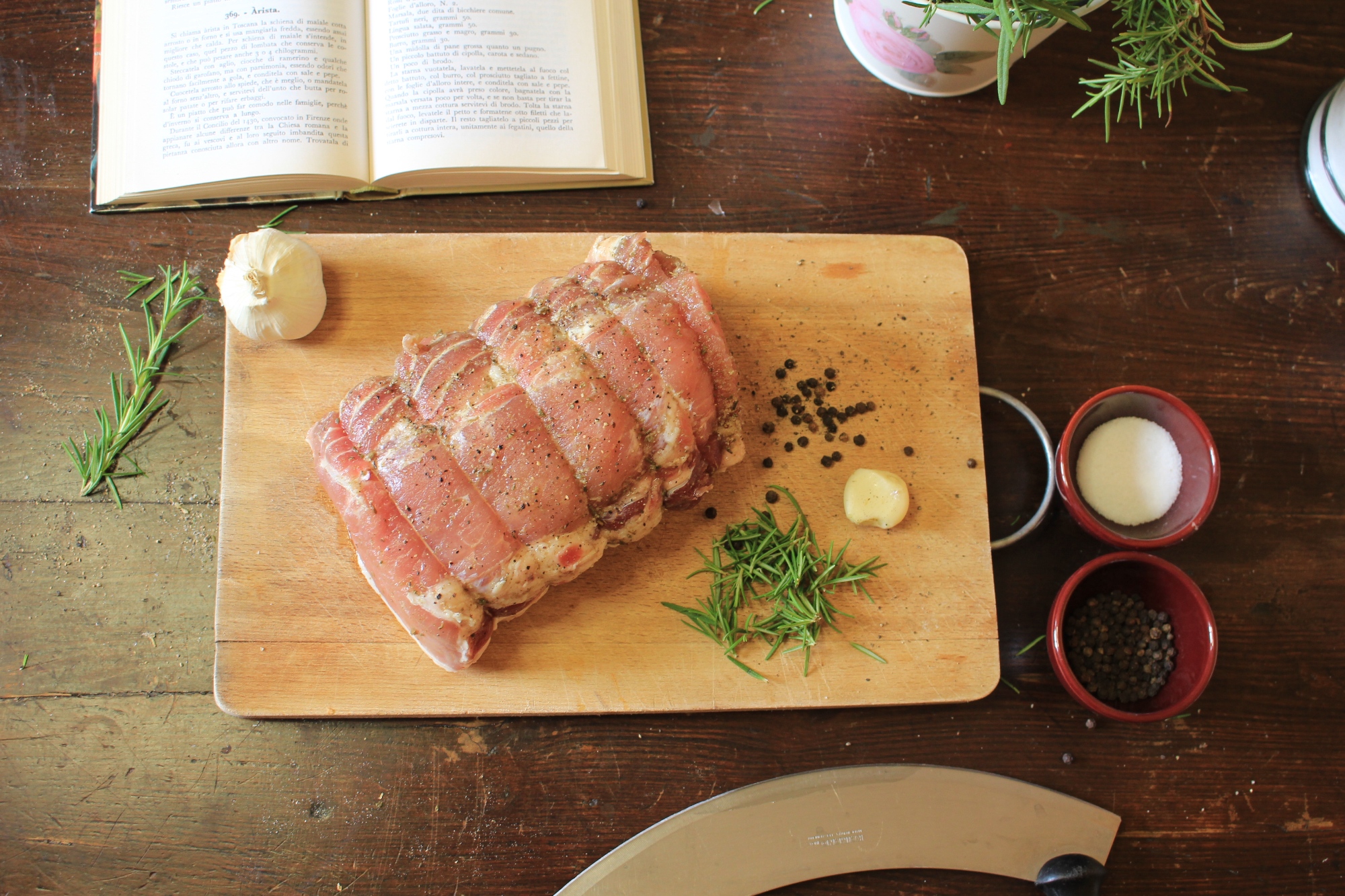
Ingredients
- 1 kg lean pork loin
- 3 cloves garlic finely chopped
- Salt and pepper
- Fresh rosemary finely chopped
- 1/4 cup of extra-virgin olive oil
Method
- Preheat the oven to 180 degrees C
- Mix the rosemary, garlic, salt and pepper and rub the pork loin with this mixture.
- Tie the meat tightly using kitchen twine
- Put the pork loin into a baking pan with some extra virgin olive oil
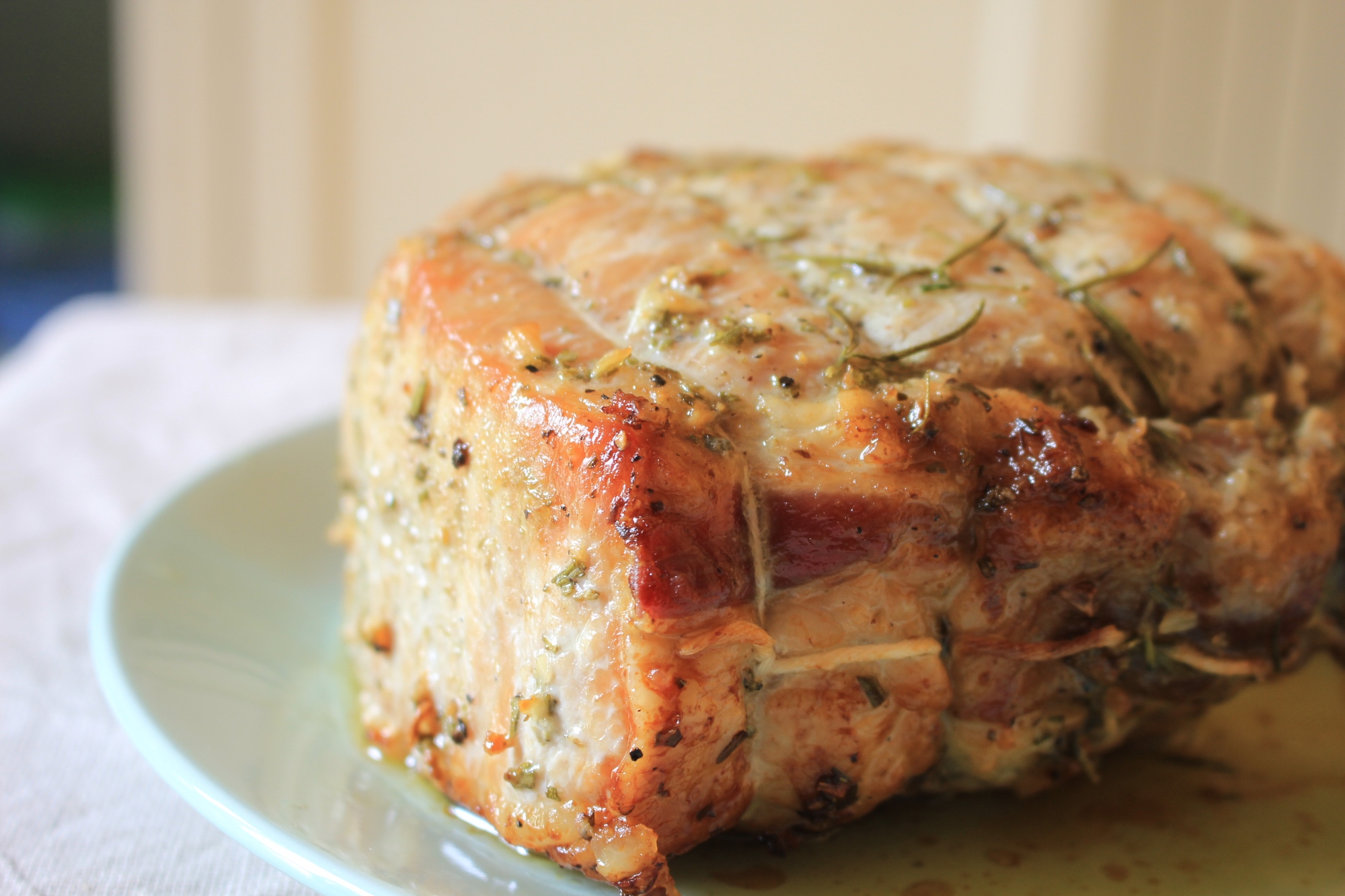
- Place in the oven and cook for about 45 min turning the meat every so often
- Cut the roast into thin slices and serve it with its sauce


